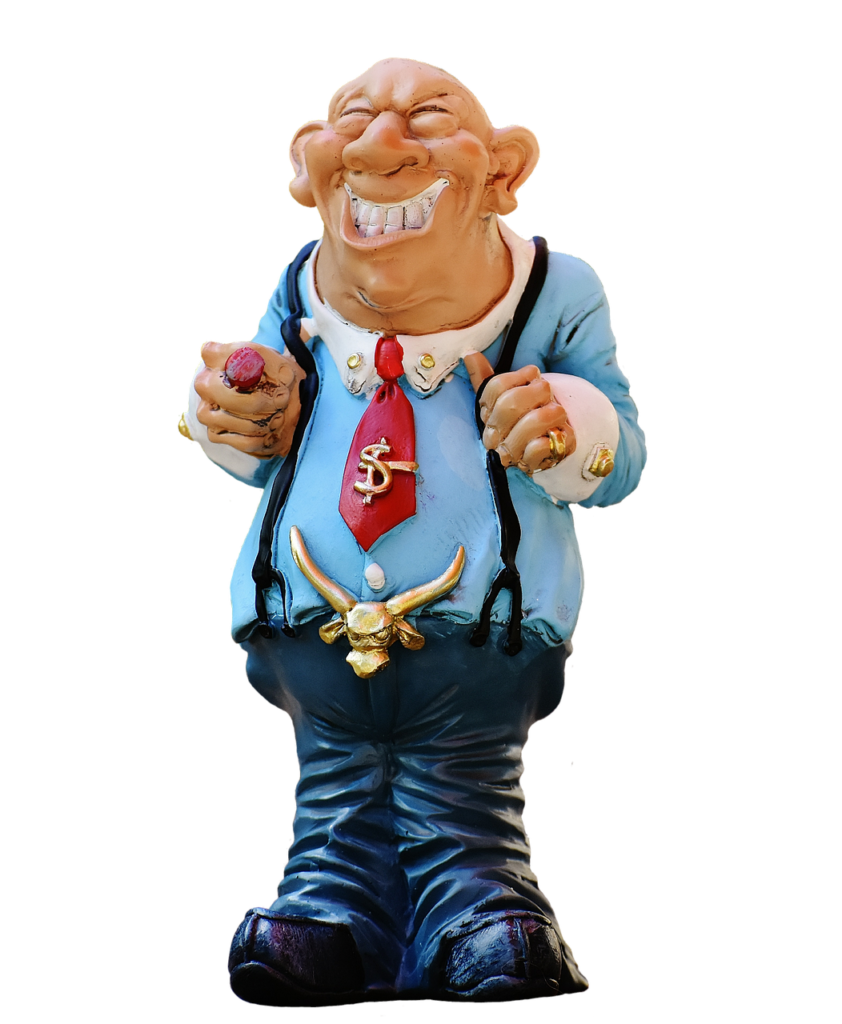
Corporations Are People, My Friend: If a Kid Blamed Everything, You’d Stop It—So Why Don’t We Now?
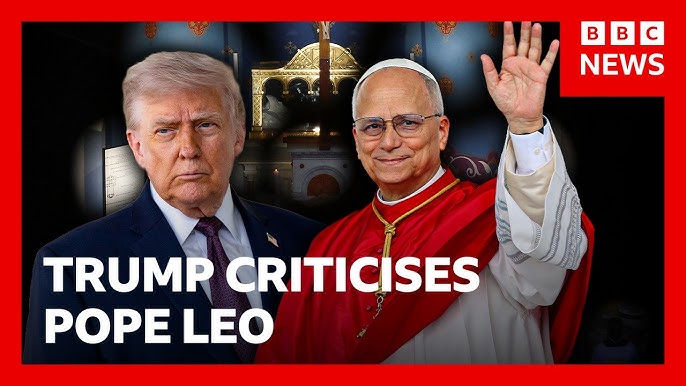
If a 13-year-old got caught doing something wrong and answered every question by blaming the teacher, the kid next door, the weather, the rules, the store owner, the school, the principal, and the person who happened to be standing nearby, most adults would not treat that as a mystery. They would treat it as a pattern. They would not call it leadership. They would not call it strength.
They would call it what it is, something that’s been bothering me more and more lately: deflection, immaturity, and a refusal to accept responsibility. At some point, a parent would stop the performance, cut through the noise, and say the obvious out loud: when someone blames everybody else for everything, the problem is usually not everybody else. The issue is the person doing the blaming.
That is the frame through which Americans should understand Donald Trump and the political culture built around him, because the public record no longer points to isolated episodes, unfortunate wording, or one-off exaggerations. It points to a governing instinct so dependent on denial and scapegoating that the blame itself has become the message. Over time, the individual excuses matter less than the accumulated pattern, and the accumulated pattern here is unmistakable.
During Trump’s first term, The Washington Post’s Fact Checker documented 30,573 false or misleading claims, a volume that did not merely reflect exaggeration but a broader method of shifting responsibility, rewriting cause and effect, and flooding the public square with alternate explanations whenever accountability drew near. Trump also repeatedly cast the press as the enemy rather than as a check on power, turning criticism itself into the alleged crime.
Now remember, I’ve said for years that Trump and his people lie and act this way simply because they can. When I’m asked to be one with everyone, it’s things like this that make it difficult, because anyone with a functioning brain should be able to figure it out. That’s why I can’t be friends with these people. I would eventually be driven nuts. What Trump and his lies do is cause others to repeat the same lies and blame.
What makes the latest Pope claims so striking on their face is not just that they are inaccurate, it’s that they collapse under even the most basic logic. When Donald Trump says the Pope “wants Iran to have a nuclear weapon,” he is not responding to what was actually said; he is inventing a position that directly contradicts the Pope’s clearly stated stance against war itself. That stance implies he would not want Iran to have nuclear weaponry. The Pope has repeatedly called for peace, warned against escalation, and explicitly urged leaders to step back from violence and the arms race. That would mean there is no use for a nuclear bomb if peace were guaranteed. To oppose war is, by definition, to oppose the most catastrophic instruments of war, including nuclear weapons.
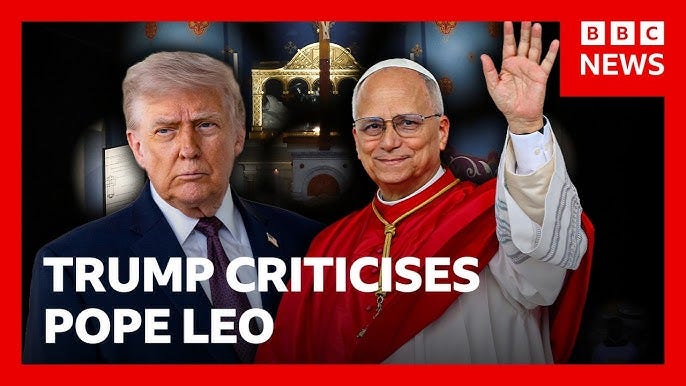
The idea that a religious leader advocating for peace would simultaneously support nuclear proliferation is not just unlikely, it is internally incoherent. It is the equivalent of claiming that someone campaigning against fire also supports gasoline. The statement doesn’t require deep analysis to unravel; it fails at the level of basic reasoning. And that is precisely the issue: instead of engaging with the substance of the Pope’s argument, peace versus escalation, the response reframes it into something absurd, easier to attack, and entirely disconnected from reality.