
‘Corporations Are People, My Friend’
Balanced Budget Amendment Fails in the House as Congress Rejects Its Own Opportunity to Rein in Spending
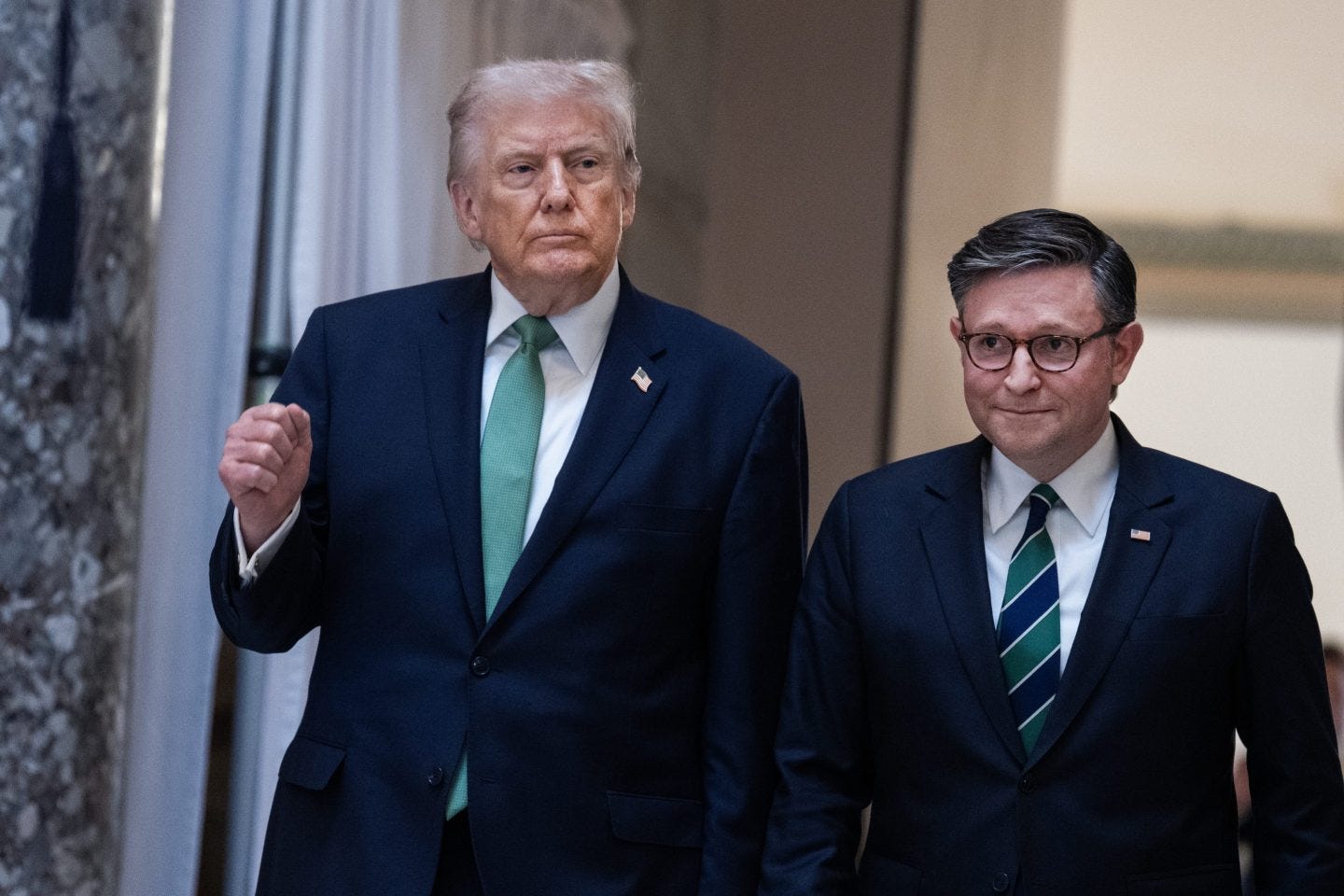
A proposed constitutional amendment requiring the federal government to maintain a balanced budget failed in the U.S. House of Representatives on March 18, 2026, despite receiving majority support, underscoring a growing frustration across the political spectrum: Congress was presented with a bill specifically designed to address deficits, and still could not pass it.
The measure, H.J. Res. 139, introduced by Rep. Andy Biggs, aimed to impose enforceable limits on federal spending by tying expenditures to the average revenue collected over the previous three years. It also required a two-thirds vote in both chambers of Congress to raise taxes or exceed spending limits outside of wartime. The proposal was structured to force long-term fiscal discipline, something lawmakers on both sides have said is necessary, but have repeatedly failed to achieve through the normal budget process.
The vote was 211–207 in favor. Under standard legislative rules, that would have been enough. But because the resolution was considered under a procedure requiring a two-thirds majority, it failed to advance. The technical explanation is clear. The broader takeaway is harder to ignore. Congress had an opportunity to move forward on a measure explicitly aimed at balancing the budget, and it did not get there.
For many observers, that failure reflects more than partisanship. It points to a system where agreement on the problem, rising debt, persistent deficits, long-term fiscal imbalance, does not translate into action, even when a concrete proposal is on the table.
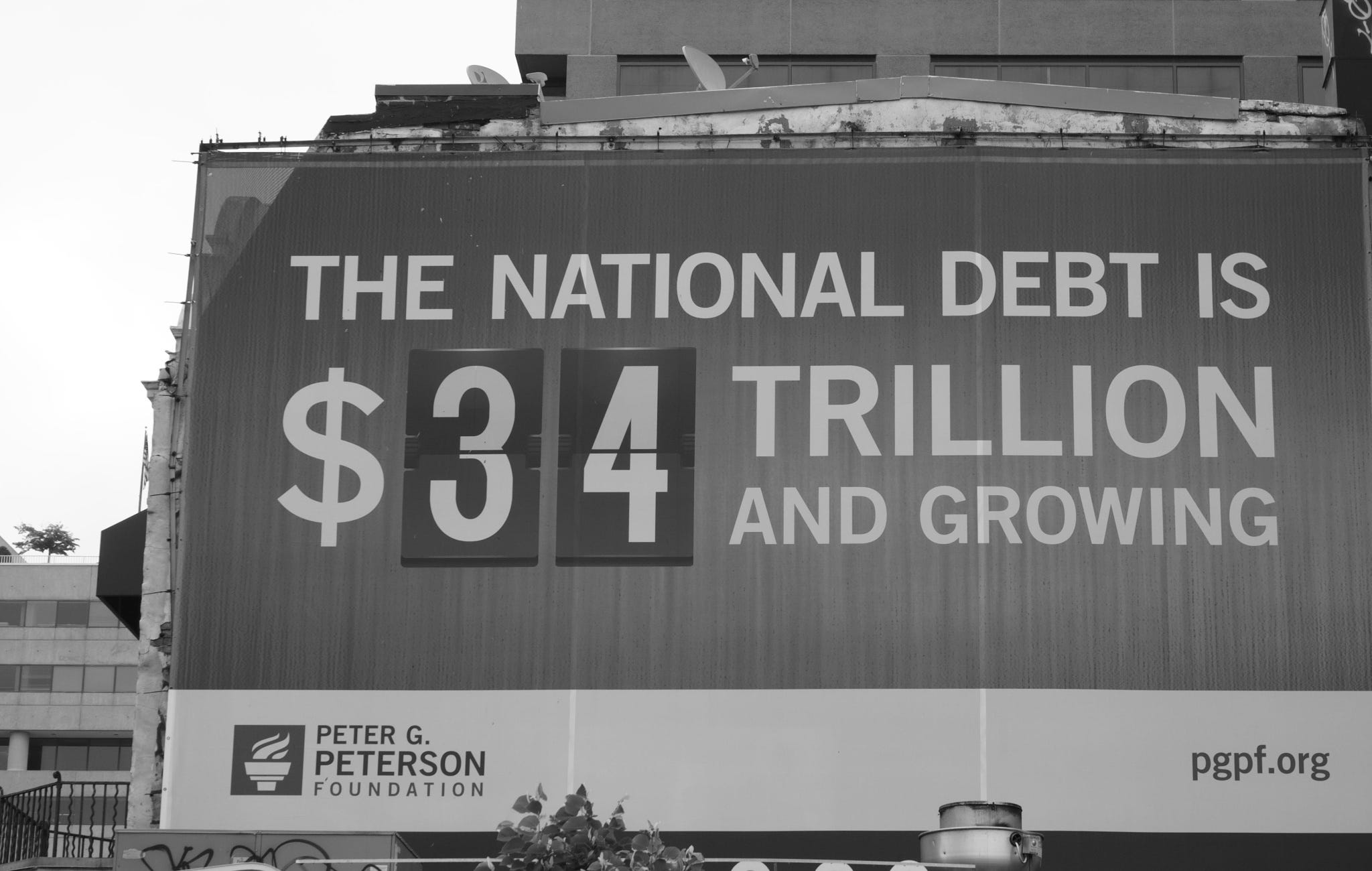
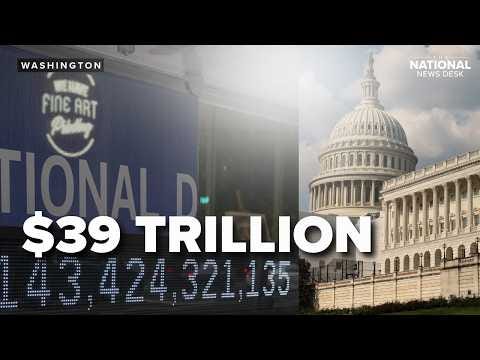
From a fiscal conservative standpoint, the argument in favor of the amendment is straightforward. The federal government has spent decades operating in deficit, with the national debt now exceeding $39 trillion. Supporters believe that without enforceable constraints, Congress will continue to defer difficult decisions, allowing spending to grow without sufficient revenue to support it. In that view, a constitutional requirement is not extreme, it is necessary to restore credibility and discipline to federal finances.
That perspective has been reinforced in recent years by policy discussions associated with the Trump administration, where concerns about inflation, borrowing, and government expansion were central themes. The underlying belief is that excessive spending and rising debt eventually weaken economic stability, increase interest costs, and place long-term pressure on both taxpayers and markets.
My liberal conservative perspective, however, adds an important layer of complexity. It shares the concern about debt and fiscal irresponsibility, but it does not assume that rigid, one-size-fits-all constraints are the best solution. It recognizes that governments operate within economic cycles. During periods of growth, balancing the budget, or even running surpluses, is both achievable and responsible. During downturns, however, deficit spending can play a stabilizing role, helping to prevent deeper economic damage.
This is not theoretical. The United States has already demonstrated that fiscal balance is possible. From 1998 through 2001, under Bill Clinton, the federal government ran budget surpluses. Revenues exceeded spending, and there was a brief but meaningful effort to reduce the national debt. That period was not defined by rigid constitutional rules, but by a combination of economic strength, spending discipline, and political cooperation.
From a liberal conservative viewpoint, that era matters because it shows that balance does not require inflexibility. It requires governance that is willing to align spending with revenue when conditions allow, while retaining the ability to respond when conditions deteriorate.
Critics of the amendment argue that its structure could make that balance harder to achieve. A strict spending cap, combined with a two-thirds requirement to raise taxes, could limit Congress’s ability to respond to recessions, emergencies, or shifts in economic conditions. They warn that such constraints could force cuts to programs like Social Security, Medicare, and veterans’ benefits if revenues fall, while making it difficult to adjust policy on the revenue side.
One of the most difficult questions in this entire debate is how federal spending is prioritized, particularly when it comes to defense. The United States already allocates hundreds of billions of dollars annually to national defense—more than any other country in the world by a wide margin. That funding is justified year after year on the basis of readiness, deterrence, and maintaining global stability. Yet when conflicts arise, whether full-scale wars or smaller military engagements, Congress and the administration routinely return to request additional emergency funding, often outside the normal budget process.
From a taxpayer and policy standpoint, this raises a legitimate question. If the baseline defense budget is designed to ensure preparedness, why does each new conflict require a separate and substantial infusion of funds? The pattern suggests that either the existing budget is not being structured with real-world contingencies in mind, or that off-budget emergency spending has become an accepted workaround to avoid making harder trade-offs within the existing framework.
A liberal conservative perspective does not dismiss the need for a strong national defense. In fact, it supports it as a core function of government. But it also insists on accountability and clarity. Defense spending should be both robust and disciplined. If the United States is committing such a significant portion of its budget to military readiness, then there should be a clear understanding of what that funding is intended to cover—and where the limits are. Continually supplementing an already large defense budget with additional emergency appropriations undermines the argument that the system is being managed with fiscal responsibility.
This issue ties directly back to the broader failure to establish a balanced and sustainable budget. When major categories of spending operate with built-in flexibility that allows for repeated expansion, it becomes far more difficult to impose discipline elsewhere. Lawmakers are left debating cuts to domestic programs or arguing over tax policy, while one of the largest areas of federal spending continues to grow through both its base budget and supplemental requests.
At a minimum, this dynamic deserves more transparency and more scrutiny than it currently receives. If defense spending is going to remain at its current scale, then it should be planned and accounted for in a way that reflects the realities of modern conflict, rather than relying on repeated requests for additional funding after the fact. Otherwise, the conversation about balancing the budget risks becoming incomplete, focused on certain categories of spending while leaving others effectively open-ended.
At the same time, even within that criticism, there is an implicit acknowledgment that the current system is not working as intended. If the concern is that a constitutional amendment is too rigid, the expectation would be that Congress exercises discipline within the existing framework. Yet deficits continue to accumulate, and long-term fiscal planning remains inconsistent.
That is where the frustration becomes bipartisan, even if it is expressed differently. Fiscal conservatives see a lack of restraint. Liberal conservatives see a lack of balance. Both perspectives arrive at a similar conclusion that the system is not producing sustainable outcomes.
For businesses, investors, and institutions, this uncertainty carries real implications. Federal spending decisions influence entire sectors of the economy, from infrastructure and healthcare to defense and energy. Tax policy shapes investment decisions and long-term planning. A government that cannot establish a credible path toward fiscal sustainability introduces a level of unpredictability that extends beyond politics into markets and economic performance.
The failure of H.J. Res. 139 does not resolve the debate. It sharpens it. A majority of the House supported a measure aimed at balancing the budget, yet it still could not pass. That outcome raises a fundamental question about the current state of governance. Are we (they) even trying?
The United States has shown that it can balance its budget. It has done so within the last few decades. The issue is no longer capability. It is willingness.
Congress was given a bill designed to address the problem directly. It debated it, voted on it, and came up short. Whether the solution lies in constitutional reform or more disciplined policymaking within the existing system, the expectation remains the same.
At some point, acknowledging the problem is no longer enough. Action has to follow. Right now, that remains the missing piece.