Corporations Are People, My Friend: I Think the War Is Over but Anyway, What Are We Doing? I Got Lost
The sequence of events around the Iran conflict has not followed a clean or linear path, and that is the starting point for understanding where things stand now. The lead-up to the ceasefire was defined by confusion, shifting explanations, and a growing sense that the situation was becoming more unstable rather than more controlled. I literally wrote an entirely different article about my confusion earlier today, and then came the announcement of a ceasefire, either today or late last night, followed by a high-profile briefing that framed the outcome as a success. That shift has changed the tone, but it has not fully resolved the underlying questions.
Before the ceasefire was announced, the central issue was straightforward. What exactly were we doing in that region, and were we actually in a better position because of it. That question was tied directly to measurable outcomes. Gas prices rose from approximately three dollars per gallon to over four dollars in a matter of days. The national debt moved past thirty nine trillion dollars. The military campaign cost an estimated twelve billion dollars within its first twenty days. The S and P 500 declined close to eight percent in the month following the start of the conflict on February 28, 2026. These were immediate, tangible impacts that suggested the situation was becoming more costly and more unstable than it had been just weeks earlier.
At the same time, the structure that had previously governed the region appeared to be breaking down. The Strait of Hormuz, which had functioned as a stable and open international waterway, became a central point of disruption. Before the conflict, transit through the strait was free and uninterrupted. As the conflict escalated, that stability disappeared. The current framework being discussed introduces the possibility that Iran and Oman could charge transit fees of up to two million dollars per vessel for safe passage. That is not a minor adjustment. It represents a fundamental shift in how one of the most critical global shipping routes operates.
That shift alone explains much of the economic impact. Oil markets do not respond to statements; they respond to risk. The moment the Strait of Hormuz became uncertain, prices adjusted immediately. That is why the increase in gas prices was so rapid and significant. Even if access is restored, the system has already been altered, and the risk premium will likely remain embedded in pricing for at least another 200 days, potentially extending toward election season.
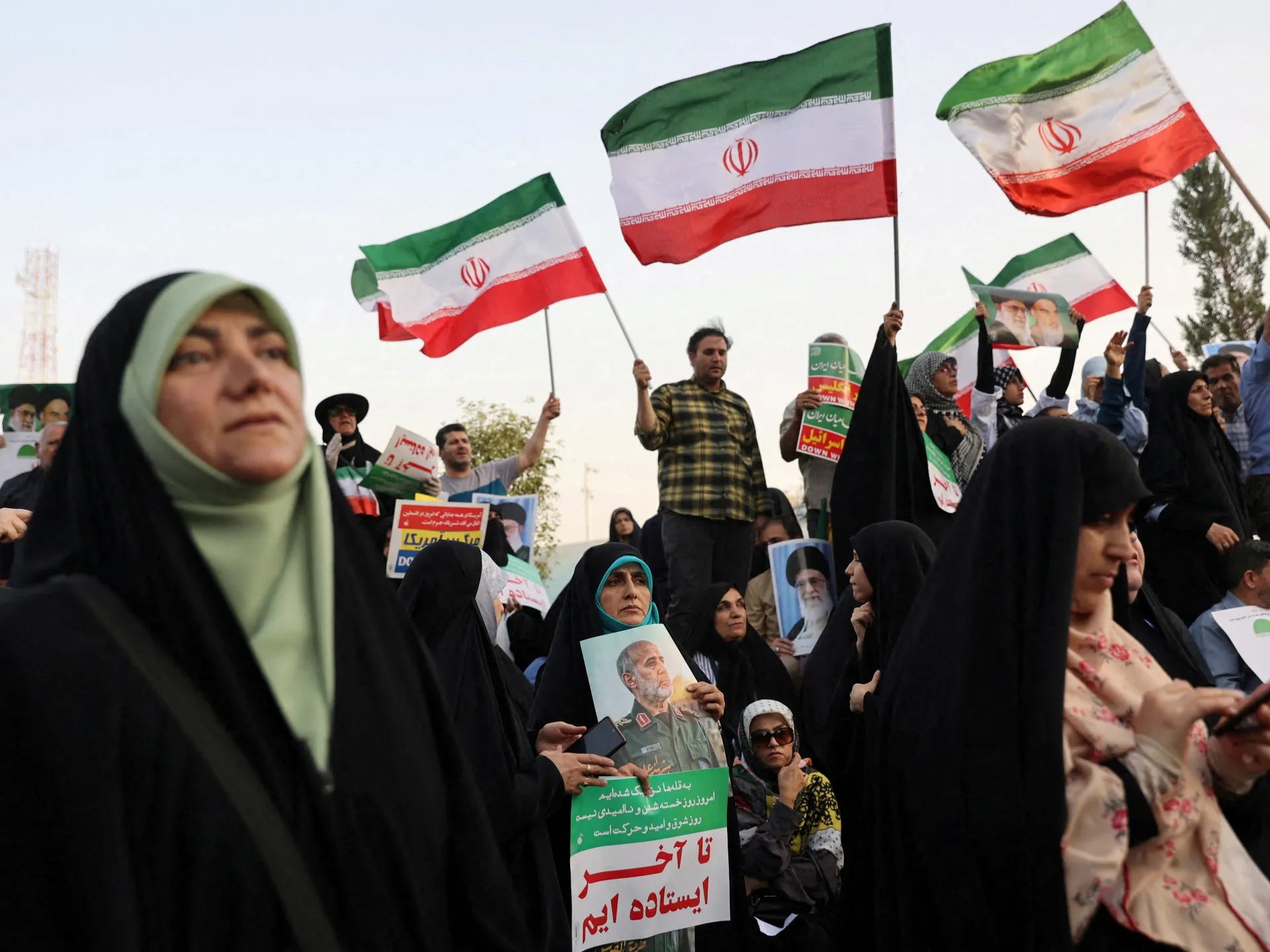
Now, if you take official statements at face value, the situation is still difficult to reconcile. Iran has made claims suggesting it holds control or influence over the passageway, while this administration stated in its press briefing that the Strait is open and secure. There are also reports and discussions about potential transit fees or controlled passage, although the exact structure and enforcement of that remain unclear. That lack of clarity is a major source of ongoing confusion.
The confusion intensified because the objectives of the conflict were not consistently defined. Early messaging suggested a broader goal that included regime change. That objective carries significant implications, including the need for a clear plan for what follows, and that plan was not clearly articulated. As the conflict progressed, the focus appeared to shift toward more limited military goals, including targeting naval capabilities and nuclear infrastructure. Those are fundamentally different objectives, and the transition between them was not clearly explained.
One other thing that stood out was the level of detail about logistics, including how much coffee, energy drinks, food, and other supplies were consumed by U.S. forces. It is not entirely clear why that level of detail was emphasized, especially when the broader question of what was fully accomplished is still being defined.
The press briefings have focused heavily on operational statistics, including targets hit and the number of enemy combatants killed. As mentioned above, they also referenced details such as food and drink consumption. There have been repeated statements that Iran should never have the ability or a clear path to developing nuclear weapons. That position aligns with long-standing U.S. and Israeli policy, although Israel has historically taken a more aggressive stance on the issue.
There are also references recently to earlier statements from Donald Trump, dating back years, where he suggested taking stronger action against Iran’s nuclear capabilities or infrastructure.
The execution reflected that same lack of clarity. Initial expectations appeared to assume a rapid collapse of the Iranian regime. That did not occur. Air power alone did not produce the intended outcome. Within a short period, additional forces were deployed, including Marines and elements of the 82nd Airborne Division. Analysts described this pattern as an escalation process that adjusted in response to results rather than following a clearly defined initial strategy.
The Strait of Hormuz itself appears to have been underestimated as a factor in the conflict. Reports indicate that warnings about the potential closure of the strait were raised and dismissed early on. The assumption was that Iran would not take that step. When it did, there was no immediate plan for reopening it. The response shifted rapidly from dismissal to threat to negotiation. That sequence explains both the economic shock and the urgency behind the ceasefire announcement.
The ceasefire, in that context, is not simply a diplomatic development. It is a response to a situation that escalated beyond initial expectations. The immediate priority became stabilizing the Strait of Hormuz and restoring the flow of global shipping. The pause in military operations was tied directly to that objective. That urgency was also felt by the public, as the sharp increase in gas prices happened within weeks and in a way many had not seen before.
The expectations are interesting. I mentioned to my mom that the war had ended, and I said the same thing to someone who was replacing my dryer at home, and both of them responded, “maybe it’s over.” Then Andrew Ross Sorkin made a notable point, saying he hopes we can take one step forward, even if it means taking two steps back. He also maintained that the clear winner will ultimately be whoever controls the Strait of Hormuz. At this point, that appears to be Iran, although Donald Trump has mentioned the idea of some form of joint control. One thing is for sure, I thought it was just me who was confused by it, and now I realize that many others were at least skeptical about it.
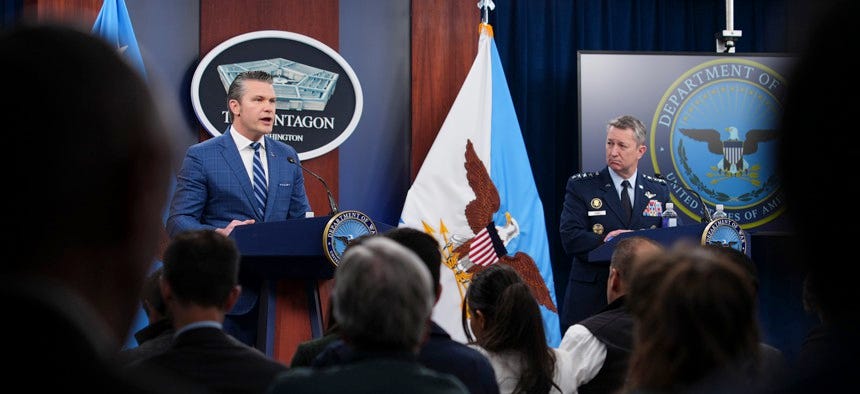
Following this announcement, the tone shifted significantly. As wer know, Pete Hegseth, framed the outcome as a success. The language used was definitive saying objectives achieved, capabilities destroyed, the war described in past tense terms. At the same time, military leadership then emphasized that this is a pause, that forces remain in place, and that operations can resume. Those two descriptions reflect different aspects of the same situation, but they are not identical. Hegseth also stated after being fed a question from the press that the U.S. is ready to restart operations at a moment’s notice, to paraphrase.
The briefing itself attempted to provide clarity. A checklist of targets was presented. Specific military capabilities were identified as destroyed or degraded. The argument is that Iran’s ability to continue sustained military operations has been significantly reduced. If those assessments are accurate, they address one of the core questions about what was accomplished.
At the same time, the briefing highlighted the scale of the operation in ways that raised additional questions. Those detailed accounts of logistics, including basic supply consumption, were presented alongside strategic outcomes. That level of detail underscores the scale of the effort and the resources involved. It also reinforces the broader point that this was not a limited or low-cost engagement.
The messaging around the ceasefire itself reflects the transition to a new phase. It has been stated that the United States is not withdrawing and that forces remain ready. That is consistent with how ceasefires function. They are pauses designed to allow negotiation. They are not final agreements. The expectation is that shipping through the Strait of Hormuz will resume, which addresses the most immediate economic concern, but the long-term structure governing that access is still being defined.
One of the notable dynamics in this moment is that both sides are presenting the outcome as a success. The United States is emphasizing the degradation of Iran’s military capabilities and the achievement of operational objectives. Iran has communicated to its population that it achieved its own form of victory. This pattern is common in conflicts that end in negotiated pauses rather than decisive outcomes.
The broader strategic picture remains open. There are statements indicating that there will be no path for Iran to develop a nuclear weapon, including no enrichment that could lead to that outcome. That position reflects a clear objective, but the mechanism for enforcing it has not yet been finalized. Hegseth says that we are watching it. Previous frameworks relied on continuous monitoring and verification by international inspectors. The current situation does not yet include a confirmed return to that structure. Let’s presume that we have that in place but cannot speak about it.
Comparisons to earlier agreements highlight the differences. Under previous administrations, particularly through the Joint Comprehensive Plan of Action, uranium enrichment was capped and subject to continuous inspection. The Strait of Hormuz remained open and unregulated as an international passage. The focus was on containment through structured diplomacy. The current situation reflects a shift away from that model toward a more immediate and less defined framework.
The long-term implications extend beyond the immediate ceasefire. Oil prices have moved from approximately seventy dollars per barrel to over one hundred. Damage to energy infrastructure across multiple countries is expected to take years to repair. Supply chains are already being affected, with shortages in key materials impacting industries ranging from automotive to agriculture. For American households, the impact is visible in higher costs for fuel, transportation, and goods.
Geopolitical risks remain elevated. A weakened but intact Iran does not eliminate instability. It can create conditions where regional actors operate with greater independence, increasing the potential for ongoing conflict. There is also the potential for large-scale displacement if conditions deteriorate further within Iran. These are factors that will develop over time and are not resolved by a ceasefire.
Environmental impacts are also part of the long-term equation. Airstrikes on energy infrastructure have introduced pollutants that can affect air quality and public health. Water systems in the region face contamination risks. These are consequences that will persist regardless of how the conflict is ultimately categorized.
The current moment sits between two positions. On one side, there is a clear effort to define the outcome as a success based on the achievement of specific military objectives. On the other, there is a recognition that the situation has not fully stabilized and that key issues remain unresolved.
It is possible to acknowledge both at the same time. The military objectives outlined in the briefing may have been achieved. The ceasefire may represent a meaningful step toward de-escalation. At the same time, the economic, structural, and strategic conditions have changed in ways that are still unfolding.
The question that existed before the ceasefire remains relevant. Are we in a better position now than we were five weeks ago. The answer depends on how the next phase develops. If the ceasefire leads to a structured agreement that restores stability, then this moment will be seen as a transition toward that outcome. If it does not, then the changes that have already occurred will define the longer-term impact.
For now, the most accurate description is that the conflict has moved into a new phase. The active escalation has paused. The negotiation phase has begun. The outcomes that will define whether this was a conclusion or a transition have not yet been fully determined.
My overall concern now is whether these leaders fully understand what they are doing, especially since some critical issues appeared to become afterthoughts or were not taken seriously. Are we effectively allowing the same parties driving the conflict to shape the negotiations, and will the outcome be better than agreements in past years? At this point, I am not certain this administration has a clear handle on the situation, and it feels as though they may be in over their heads once again.
One thing that has become apparent is that Israel appeared to be setting the direction for much of this, at least initially, though that dynamic may have shifted after some public outcry. Recent reporting suggests this was largely Netanyahu’s proposal, with Trump appearing to go along with it. The question remains, do they truly have a clear strategy? Do they know what they are doing?
It can seem as though this administration is being heavily influenced by countries like Israel along with Hungary and Russia.
Today at the Sunset Entertainment & Media Companies
Rams Continue Shaping Draft Strategy in Final Weeks
Why You Still Can’t Pump Your Own Gas in New Jersey: The Law, the Legacy, and the Lifestyle That Keeps It Alive in 2026
Attorney General Jennifer Davenport Challenges Federal Election Order in High-Stakes Constitutional Showdown
Sunset
Live Jam
Live Jam Features Fleetwood Mac “Live” on Live From The Vault
Sustainable Action Now
Sunset Daily News
Explore New Jersey
The Vending Lot
Pro Merch
Nature’s Sunset
Sunset Special Markets (SSM)
Sunset Music
Sunset Recordings
Calculated Chaos and Cultural Timing: Federal Moguls’ “Vicarious” Takes Center Stage at Sunset